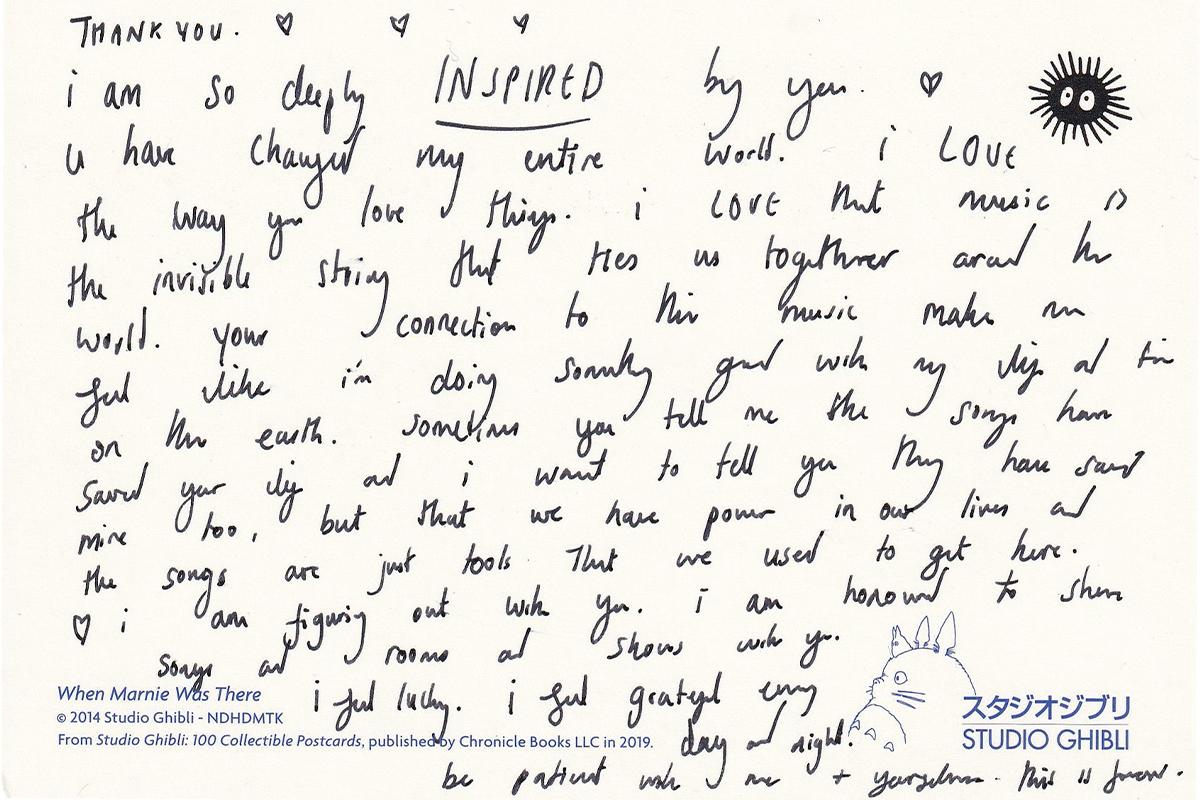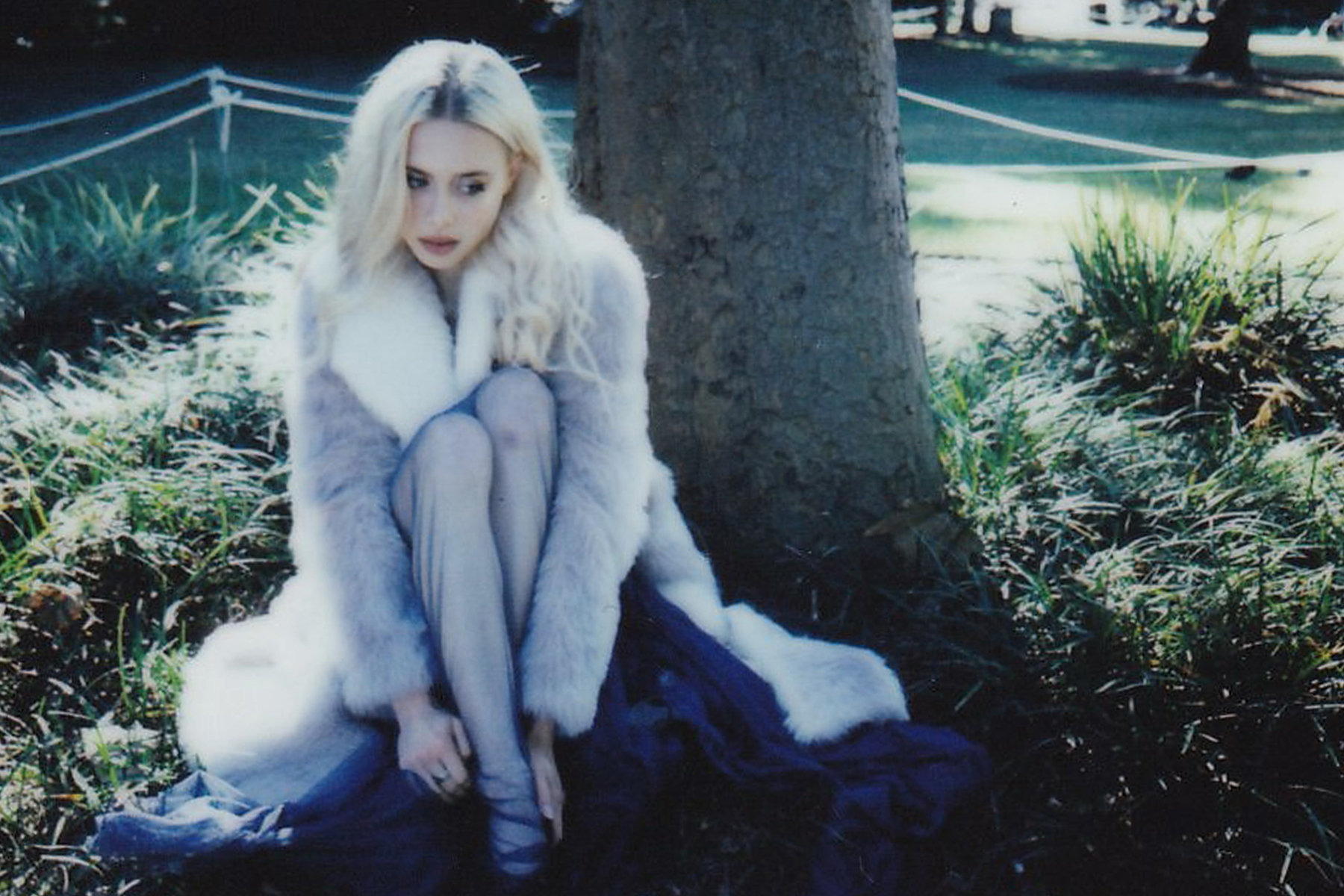
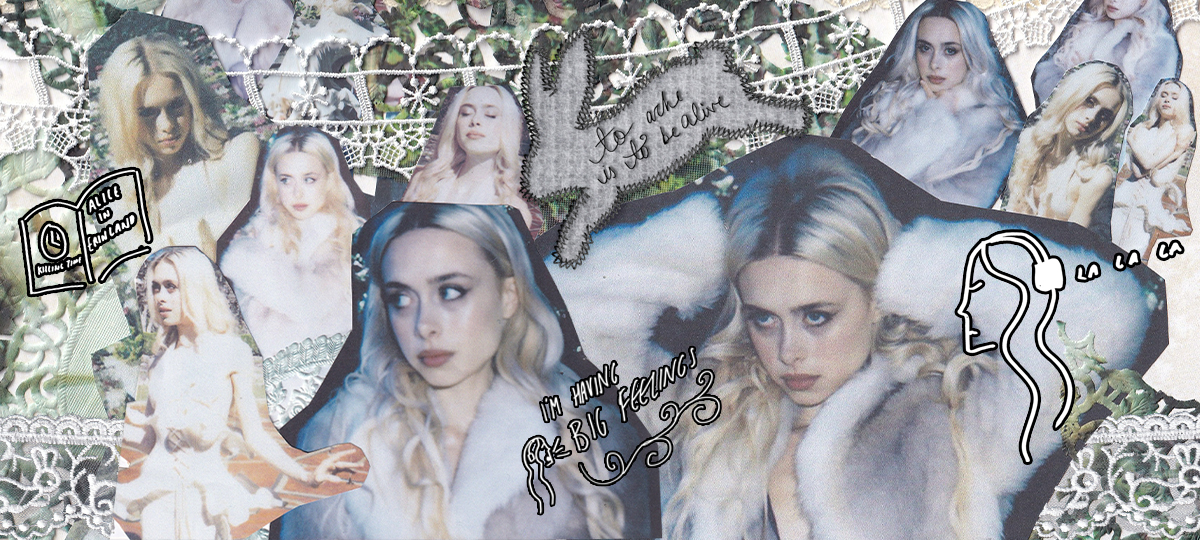
"I create music because I'm a person who wants to be understood, and to understand myself and others, and the world around me," shared English singer-songwriter Erin LeCount this past August - while standing on stage in Sydney, Australia, addressing a sold-out crowd who hung on her every word.
LeCount confided: "Making this music, this EP, 'Pareidolia', in particular came as a saving grace to me. An EP about a downwards spiral, an act of self-sabotage; turning something destructive into something creative. The word 'pareidolia' is "the tendency to perceive meaningful connections between things that are not related" and that can be seeing faces in the moon, or shapes and animals in clouds. For me, it was about my mind playing tricks on me. A warped lens of reality and myself."
Coup De Main met up with LeCount during her debut tour of Australia to discuss navigating the complications of false idolatry, being a vessel for emotion, and the alchemy of music-making...
COUP DE MAIN: A moment of applause, please, for last night, when you told a room of industry people that the music industry is run by fan girls. "Fan girls run the fucking world," you said.
ERIN LECOUNT: I did. I did say that in a room full of industry people, didn't I? I think those events can be so... I think those events are opening their doors more and more to fangirls and young women.
CDM: It was really nice to see your fans in the front row. I think that was the only industry showcase I've ever been to where there were actual fans.
ERIN: That was really special. That's not happened to me before at an industry showcase, and it gives me hope that the people who are in charge of putting these rooms together are paying more attention to the people who really deeply love and consume and obsess over music - because they are the people that should be working on these artist projects.
CDM: Agreed. I also really love that you've been hosting production masterclasses for female and non-binary producers. Is that an opportunity that you wish you had been able to access when younger?
ERIN: Honestly, I would have loved the opportunity when I was younger. I think there were opportunities that floated about when I was younger, but I would have been too nervous to take them - I would have needed encouragement because those spaces can feel so intimidating. What we've tried to do differently with this masterclass is that this is a space to learn from each other, and as much as I am hosting and leading, I want to learn from the people coming, and I want this to be collaborative, and I want this to be a discussion. This is not me preaching to the choir or trying to teach anyone how to create their own art. This is a place for people to find community, and 'masterclass' feels like such a loaded word. I probably wouldn't have signed up for a masterclass because that feels like a lesson, but this is just community space, and this is just play, creativity, and great minds being in a room at the same time.
CDM: Is there a specific song or movie that inspired you to write 'The Cinema'?
ERIN: Haha! Honestly, the song was inspired... when I talk about hearing a song on the radio and grieving when I hear it, genuinely, it was 'Call Me Maybe' by Carly Rae Jepsen, and most of her discography. It's pop brilliance! And movies, I struggle to watch movies because I take them on really emotionally for days at a time, and even when I was younger, I would watch a film, and my personality for the next month would be around whatever character I'd absorbed from the movie. I wish that I'd made the 1988 version of 'Alice In Wonderland' though. I watch it, and it feels like mood boards... long before I was ever born.
CDM: If you were to curate a museum exhibition of the art that most resonates with you, what would you put on display?
ERIN: Wow. The short film, 'Rabbit's Moon' by Kenneth Anger. I would have that on repeat as you walk in the gallery. It's such a beautiful short film. It's just visually beautiful. The soundtrack for it is gorgeous. Wow. God, this is a great question. This is great. 'Les Nuits de la pleine lune'; the film. The 'Hounds Of Love' cover artwork and photoshoot outtakes. 'Homogenic' by Björk playing on an immersive sound installation. My younger cousin Ava’s songwriting book full of songs about saving the world and wildlife. Every dish made by Flavie, an engineer and cook I know, who genuinely makes art with food. 'Rhythm 0' or 'The Artist is Present' by Marina Abramović. 'Christina’s World' by Andrew Wyeth. 'The Wounded Deer' by Frida Kahlo. 'The Execution of Lady Jane Grey' by Paul Delaroche.
CDM: What do you think is the difference between a good song and a great song?
ERIN: Hmmm! How much you let your ego get in the way, I think. Great songs are not trying to prove anything to you.
CDM: In 'The Cinema' you say, "I should probably go get clean, but the feeling helps me write better songs," which echoes the sentiment of "but I'm scared if I learn to be happy / I'll forget how to write songs," from 'Marble Arch'. Do you agree or disagree that artists need to suffer to create good art?
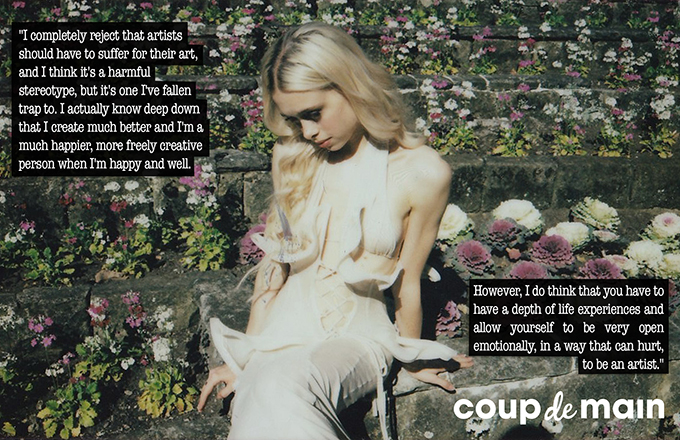
ERIN: In my heart, I disagree, and I completely reject that artists should have to suffer for their art, and I think it's a harmful stereotype, but it's one I've fallen trap to. I actually know deep down that I create much better and I'm a much happier, more freely creative person when I'm happy and well. However, I do think that you have to have a depth of life experiences and allow yourself to be very open emotionally, in a way that can hurt, to be an artist.
CDM: I love 'I Believe' - I think it's my favourite song on 'Pareidolia'. What was running through your mind while writing it?
ERIN: It was really an open-ended sort of existential question.
CDM: It is very stream-of-consciousness.
ERIN: Yes, it was completely! Which is why I wasn't sure if it was going to make the EP - because it felt so stream-of-consciousness, it lacked a real structure. I was very jet-lagged when I wrote it, and I had been travelling a lot, and life felt a little bit blurry and hazy. I'd just come home and was questioning a lot about the shifts that were happening in my life and what the sort of grander purpose was, and just had to do it to a driving synth-pop beat to kind of even out the playing field and alchemise it a bit.
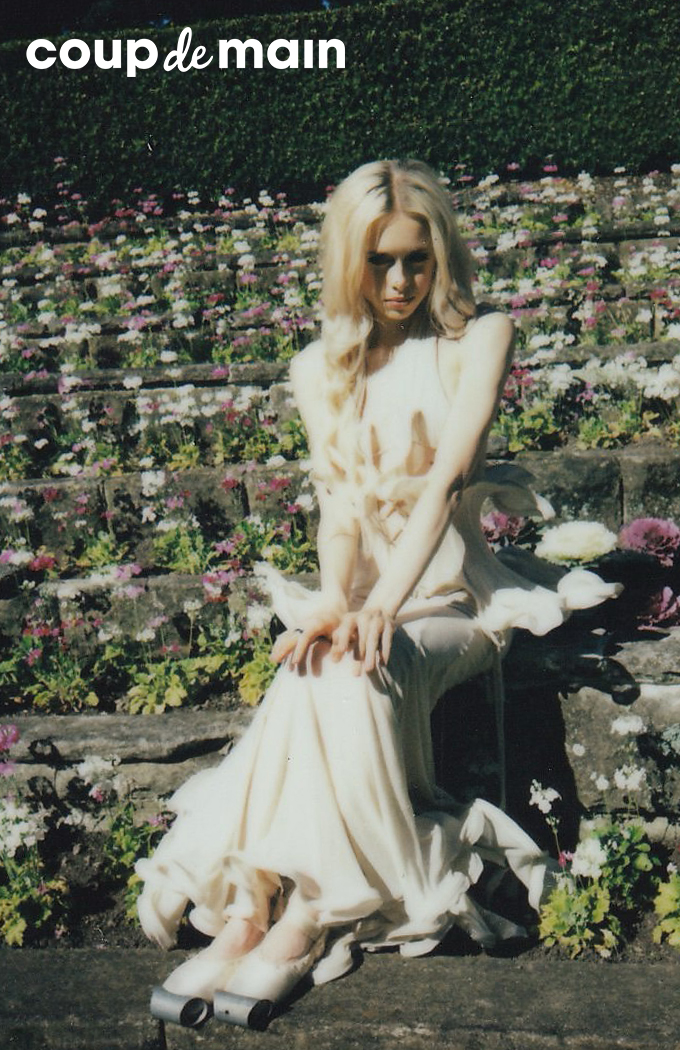
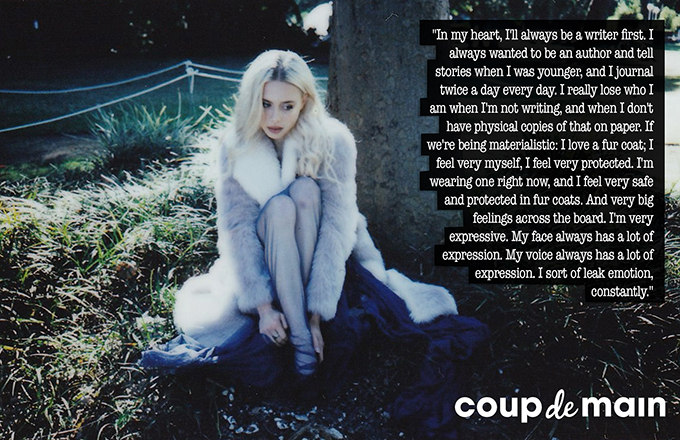
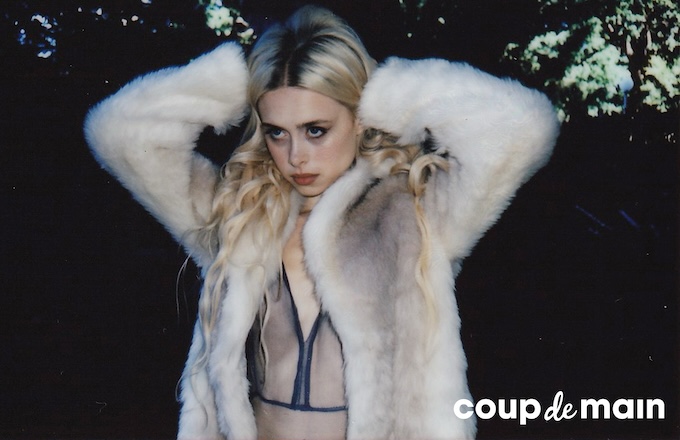
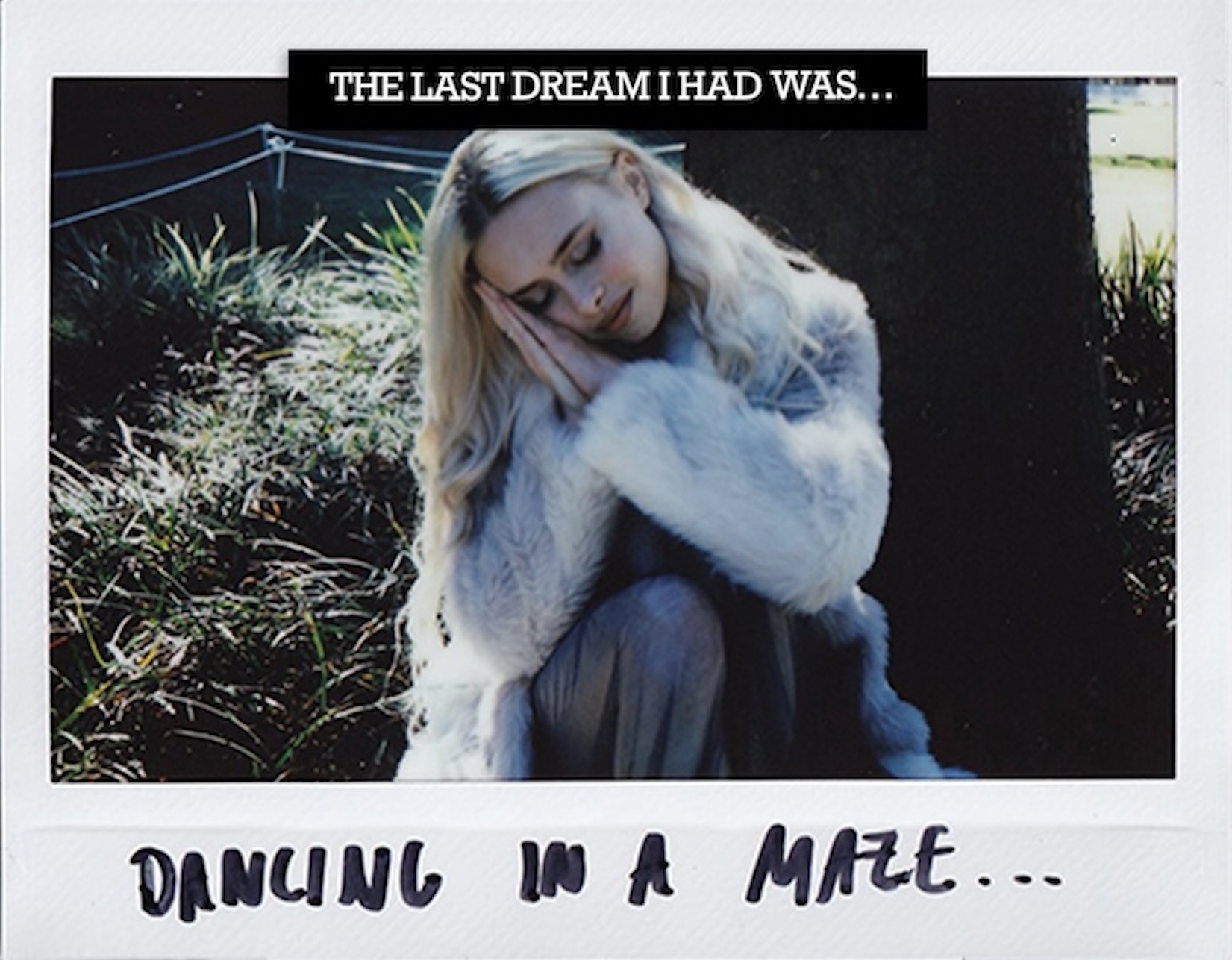
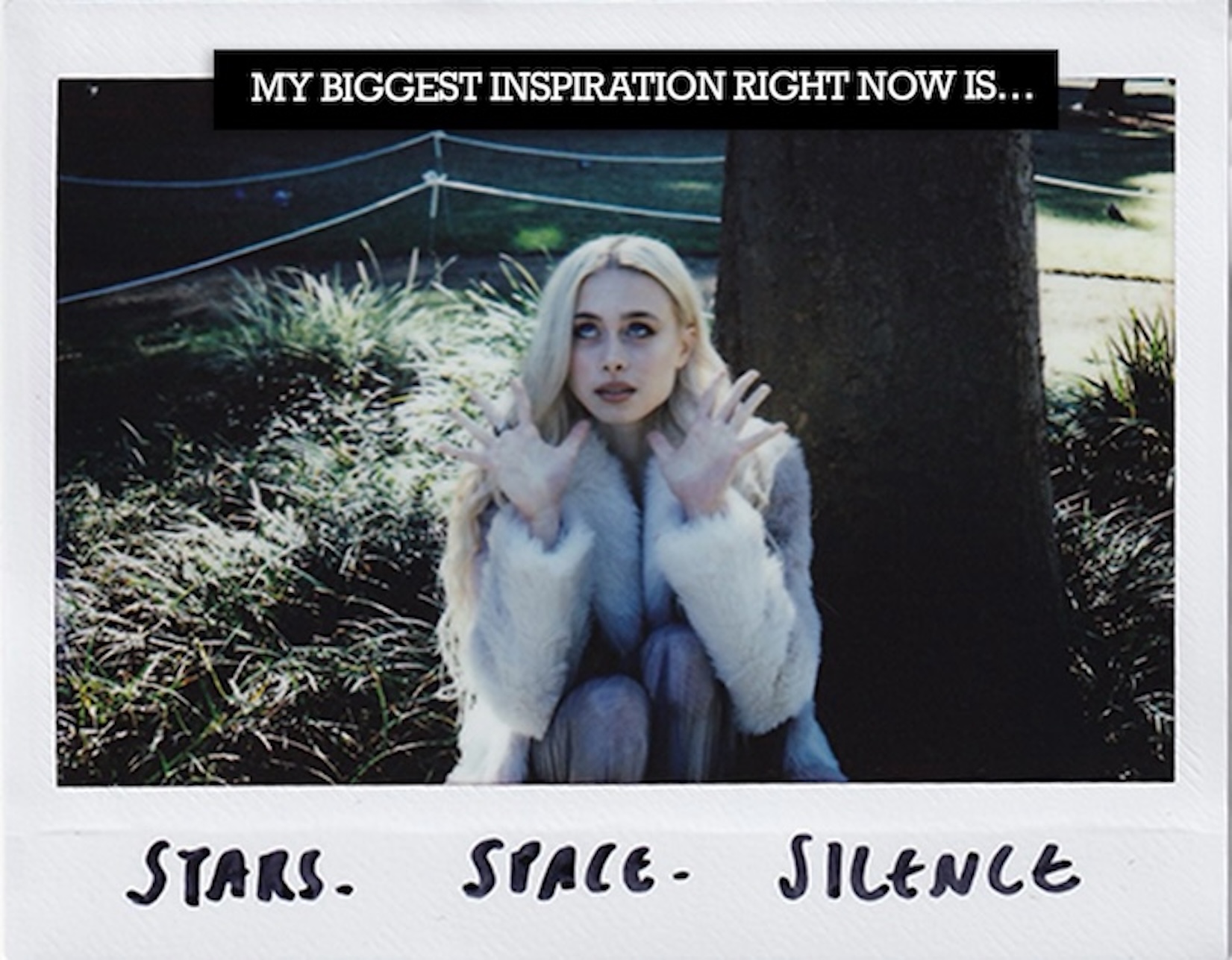
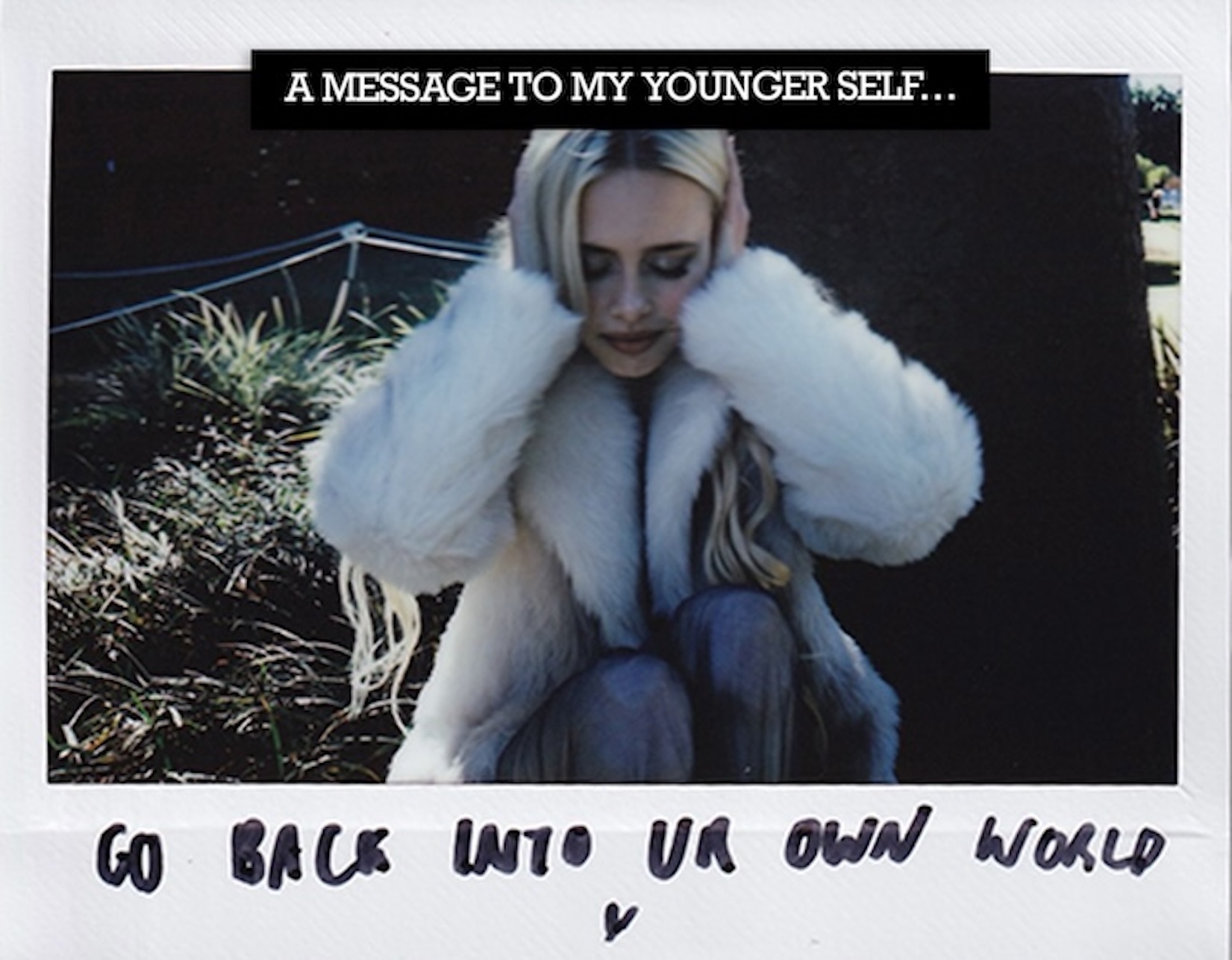
Erin LeCount wears: Unreal Fur Coat and Nicol & Ford Dress.
CDM: What do you think makes Erin LeCount, Erin LeCount?
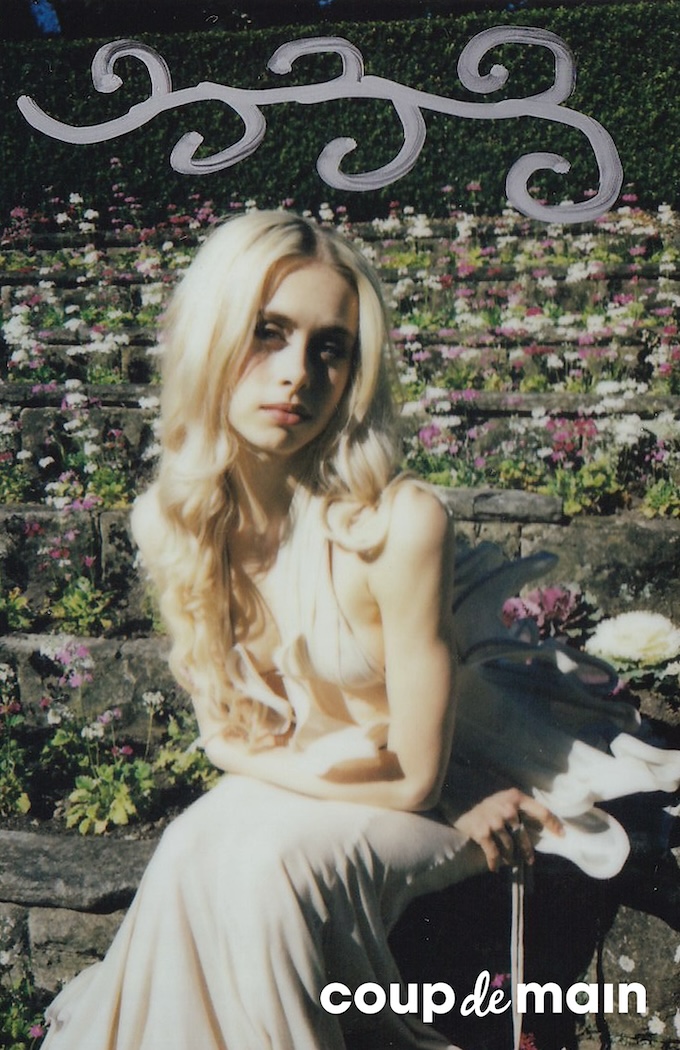
ERIN: Oof, in my heart, I'll always be a writer first. I always wanted to be an author and tell stories when I was younger, and I journal twice a day every day. I really lose who I am when I'm not writing, and when I don't have physical copies of that on paper. If we're being materialistic: I love a fur coat; I feel very myself, I feel very protected. I'm wearing one right now, and I feel very safe and protected in fur coats. And very big feelings across the board. I'm very expressive. My face always has a lot of expression. My voice always has a lot of expression. I sort of leak emotion, constantly.
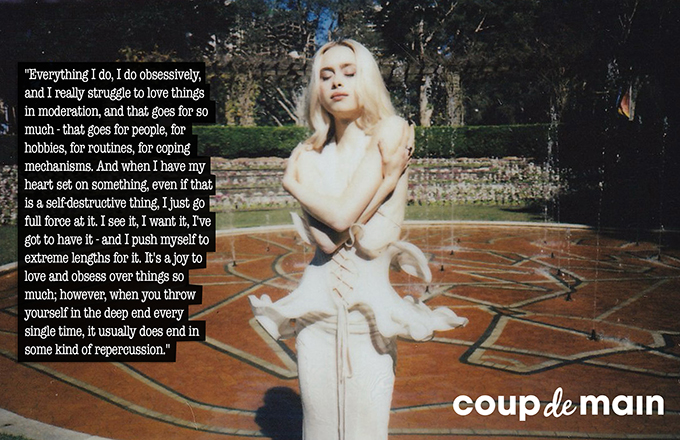
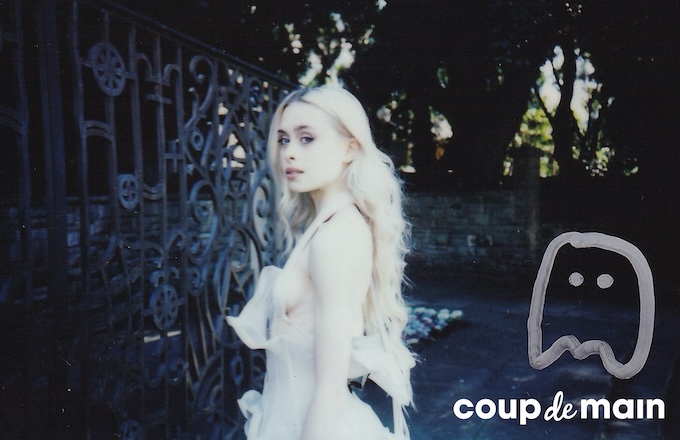
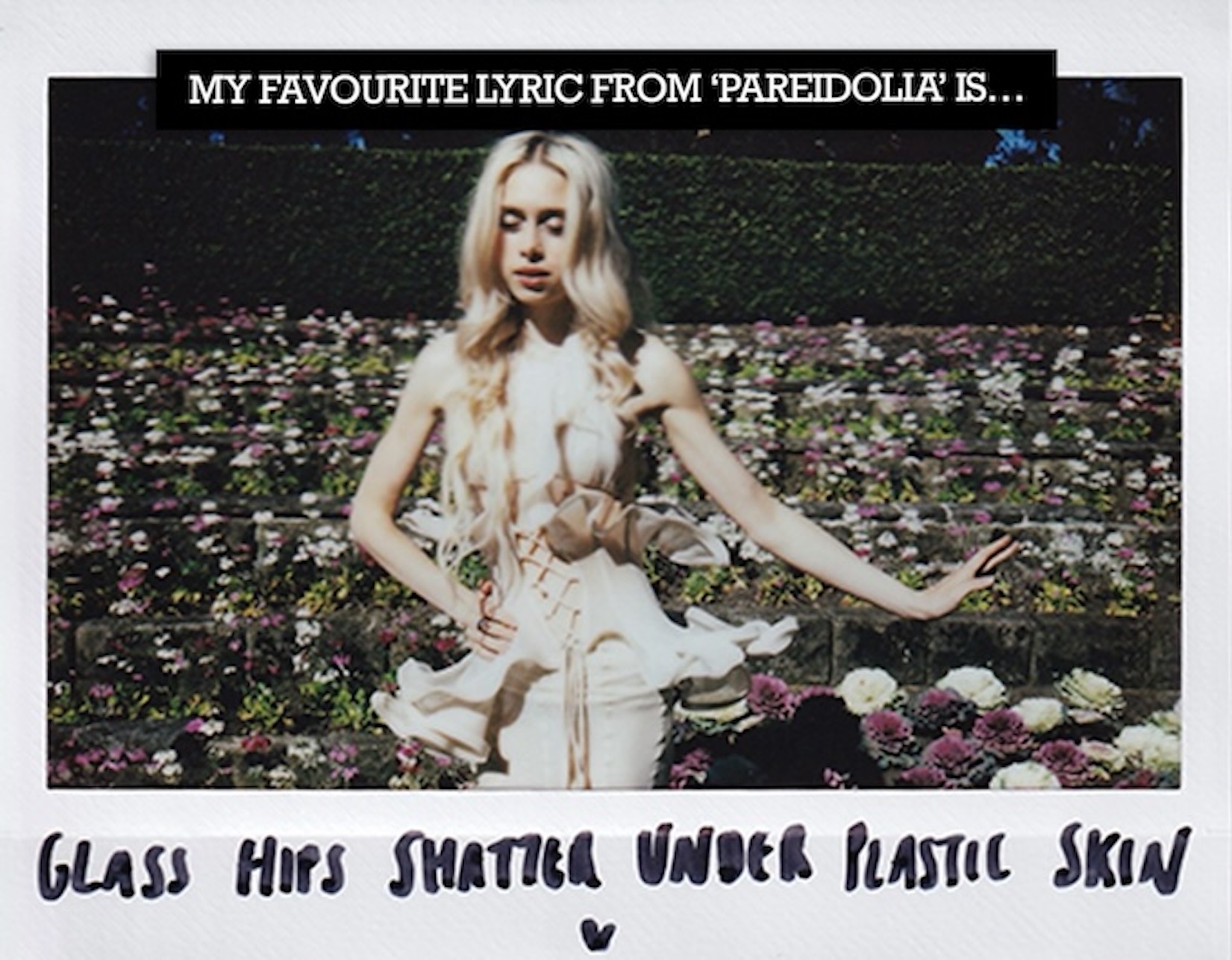
Erin LeCount wears: Haluminous bra, corset, and skirt.
CDM: As you progress in your career and your fanbase expands, how do you wrestle with your feelings on false idolatry?
ERIN: I've never been asked that before.
CDM: But it's such a big theme of your music?
ERIN: Yes, exactly, and that's kind of the whole reason I wrote, 'I Believe'. I'd just been travelling, I'd been making music, and things in my career were starting to shift, and the light that people saw me in was starting to shift. I love fangirls and their passion for things, and in music, but there is this idolatry of artists, and 'I Believe' was me playing into a self-aware cynicism of it. Like, "I heard you're looking for a saviour, honey, put your faith in me." I think it comes into the themes of religion in my music so much. I'm so aware of this hyper celebrity culture that we live in, and then this position that I occupy as a small artist that can feel more accessible to people and quite close and personal, and I'm still figuring out how I feel about that. I love closeness, and I love the community that I've built, and I try to be as clear as I can that I'm working this out in the music in real time. I'm not writing from a place of having figured it out, and anyone that relates to this music is probably in a not dissimilar headspace to the place that I'm at. I don't know how I feel about being a role model because I'm 23 and learning on the job.
CDM: I do not agree with artists that commodify the parasocial nature of their relationship with fans. Recently, there was discourse online about an artist who was offering to write the names of early fans in a book for future benefits--
ERIN: That feels exploitative to me, and I think we should admire and respect...
CDM: It's not a carrot and stick situation.
ERIN: No, it's not. And I think artists have a responsibility for themselves as much as their audience, to have boundaries, and I try and set them. I feel so incredibly connected to everyone who listens to my music, but I also feel a responsibility to keep those lines safe and clear, so that we can do this for the rest of our lives. Do you know what I mean?
CDM: And also, so that you WANT to do this for the rest of your life.
ERIN: Yeah, and for us to be able to do this and preserve/maintain a level of community and connection and closeness, like any other relationship, it has to have boundaries and lines. I understand that it's a difficult time for artists to break; however, connection and closeness to an audience is pretty sacred, and I don't think that should be commodified or exploited.
CDM: In 'Don't You See Me Trying?' you ask: "How do I know how to make this stop? When the world keeps spinning, and I want to get off." Have you managed to figure out an answer to that question yet?
ERIN: I mean, I currently do feel like the world is spinning, but I don't want to get off, to be honest. We're in Australia! I'm on the other side of the world, and sometimes I find myself on tour and in different places very quickly from one place to the next, and it does feel like your head's spinning. However, you have conversations like these, and you have moments at shows that really ground you back into the fact that this is all again about human connection, and that is what I grip to and anchor to every single time, and it's wild. But I'm not in the headspace of wanting to get off anytime soon. It's addictive, and it's beautiful, and it's exciting. I'm at a really exciting time in my life.
CDM: What inspired you to write the lyrics, "Everything that I love will destroy me in the end / So I break my own heart over and over again"?
ERIN: I wrote that line about the fact that everything I do, I do obsessively, and I really struggle to love things in moderation, and that goes for so much - that goes for people, for hobbies, for routines, for coping mechanisms. And when I have my heart set on something, even if that is a self-destructive thing, I just go full force at it. I see it, I want it, I've got to have it - and I push myself to extreme lengths for it. It's a joy to love and obsess over things so much; however, when you throw yourself in the deep end every single time, it usually does end in some kind of repercussion.
CDM: Did you write '808 Hymn' about a specific experience that happened to you?
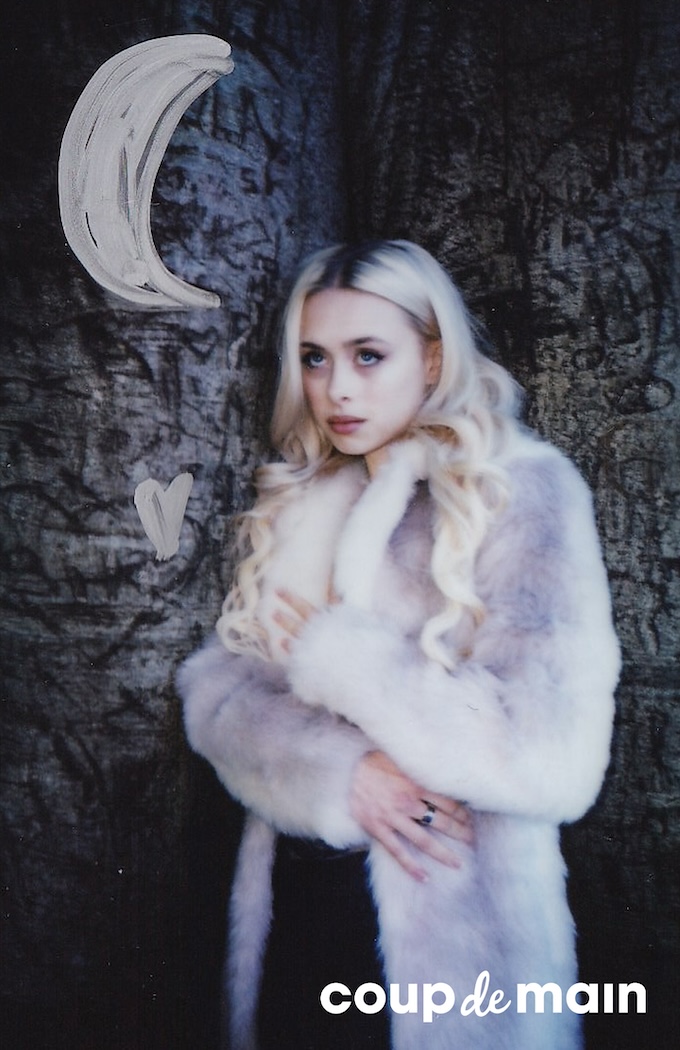
ERIN: I wrote it after a night out where I walked home alone, and I was feeling incredibly anxious and paranoid, and I'd had a difficult night out. I'd had one of those nights where you're in the corner questioning everything and feeling existential, and you don't really want to be at the club anyway. I've had countless of those experiences, and I think it's such a common thing. I was thinking about the topic so much because every time I would see young girls leave the venue or girls waiting at the stage door for me, all I could think about was how they'd be travelling home and the distance they'd come and what the nearest stations were, and it's just such a sad, universal thing that we seem to have accepted as the norm, and I just felt such an anger about it, and I felt such a childish rage as well - about the idea of watching the moon, and looking up to it. I talk about astrology, and stars, and the moon as being these comforting godlike figures who look after me, and then when you're walking home at night, you're in a completely different landscape. It was sort of like, 'Fuck you, stars, and moon, and everything in the sky. You're not looking over me. You're not protecting me at all.'
CDM: You're very honest in 'American Dream'. Was it scary to be so vulnerable when writing that song?
ERIN: I don't think it's scary to write the songs. I think it's scary of them being misunderstood by people or interpreted in a different way than you intended, negatively, I suppose. It's really personal, and a few people, when I wanted to put out that song, were leaning on the edge that it was too hyperspecific to me, and that maybe other people wouldn't understand it as much. However, I think as much as I'm talking about a really specific time, and a diary entry of my life and my career and where I'm at personally, I think the theme of longing to be away from home and feeling like you're slightly betraying where you're coming from, and feeling like you are living in a different timeline to your old friends and your old family, and working hard and burning yourself out, is an experience that so many people go through. It's the first time they go to university, and it's moving cities, and there are themes in there that I know so many people go through. And so as much as it felt scary to be hyperspecific to my experiences, I know that that's just my version of events. Everyone will hear that song with their version of events in mind.
CDM: 'Alice' also cuts deep. What is it like for you looking back on that song now - and also performing it live?
ERIN: Performing it live has made it an easier song to swallow almost - because sometimes a song can feel sore still when you write it, and it can still feel very open and fresh, and a bit of an open wound. I definitely felt that when I put it out. I definitely felt like I'd given a piece of myself and my very, very personal life. However, performing it at shows and seeing people sing that back to me with such passion - and sometimes it's love, and sometimes it's anger, and sometimes it's sadness - has almost... I don't want to say, helped me heal, in a way, but in some ways, very much so because I write from such a hyperspecific place, and yet this is so universal, and a room full of people together singing that really helps the loneliness. It's special.
CDM: And lastly... how is work on your debut album going?
ERIN: It's like exposure therapy to parts of myself that I didn't realise I was still holding on to. It's very full circle to my childhood. It's a lot of emotional baggage, but it's also a lot of experimentation and play, and it feels surprisingly freeing at the moment.
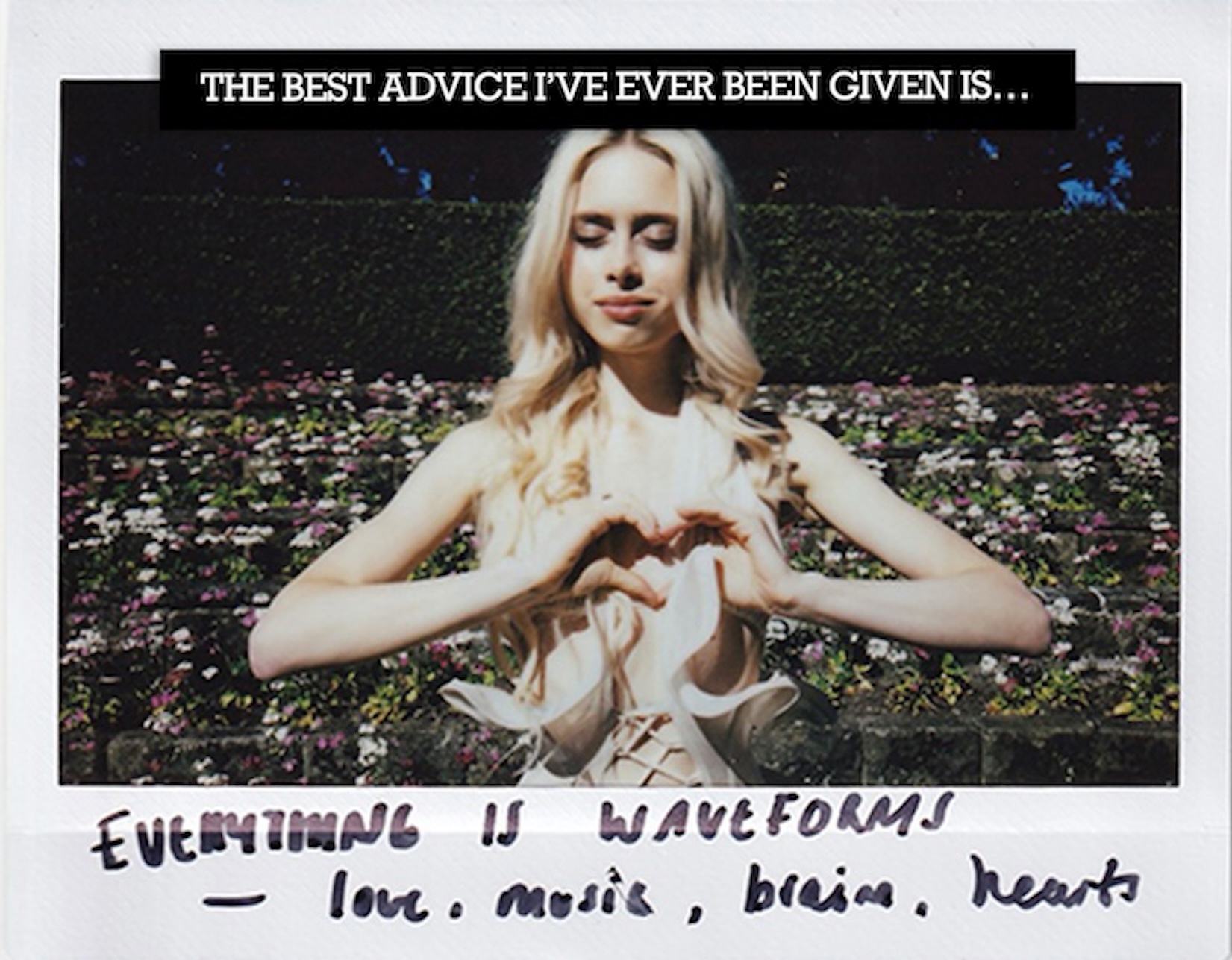
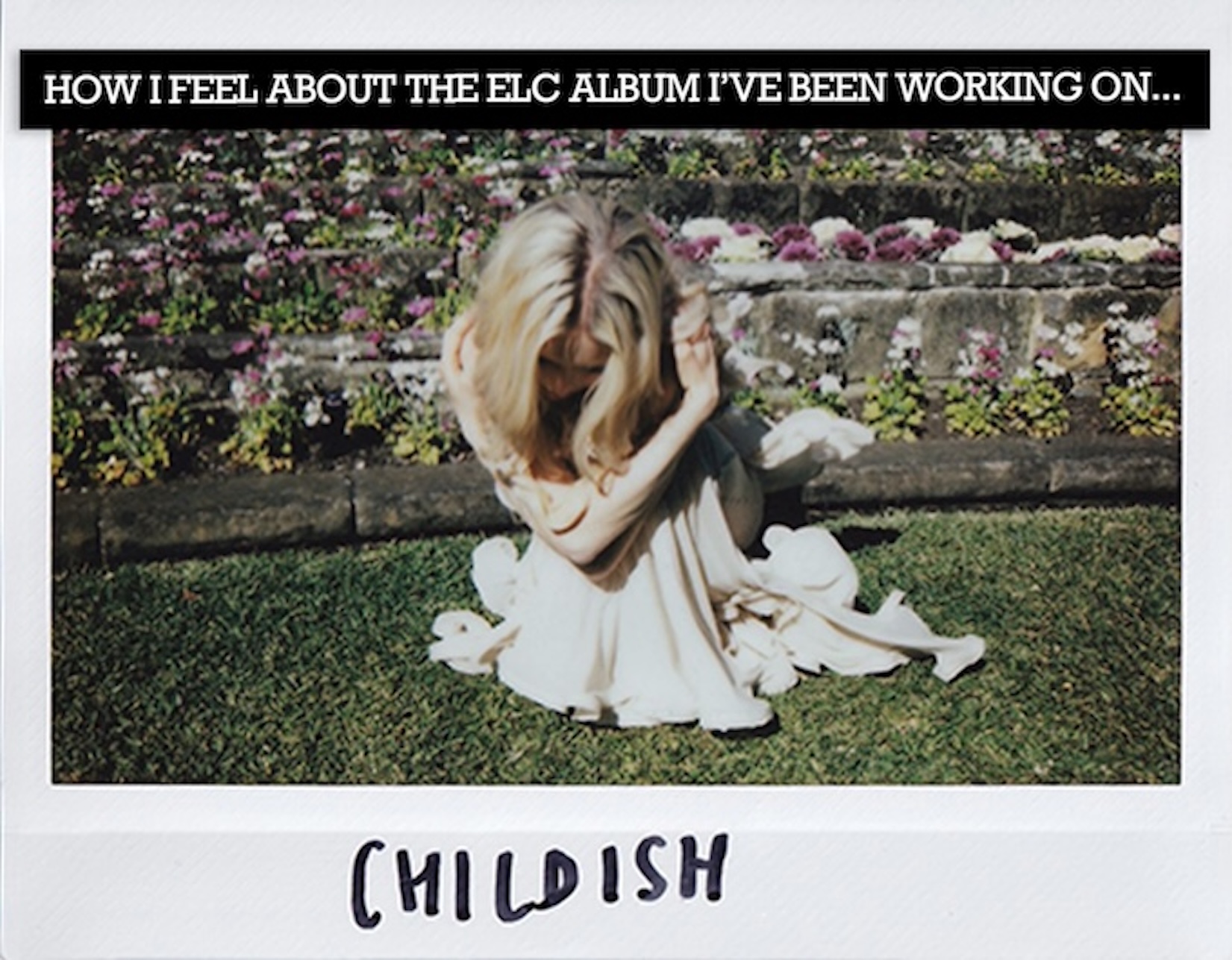
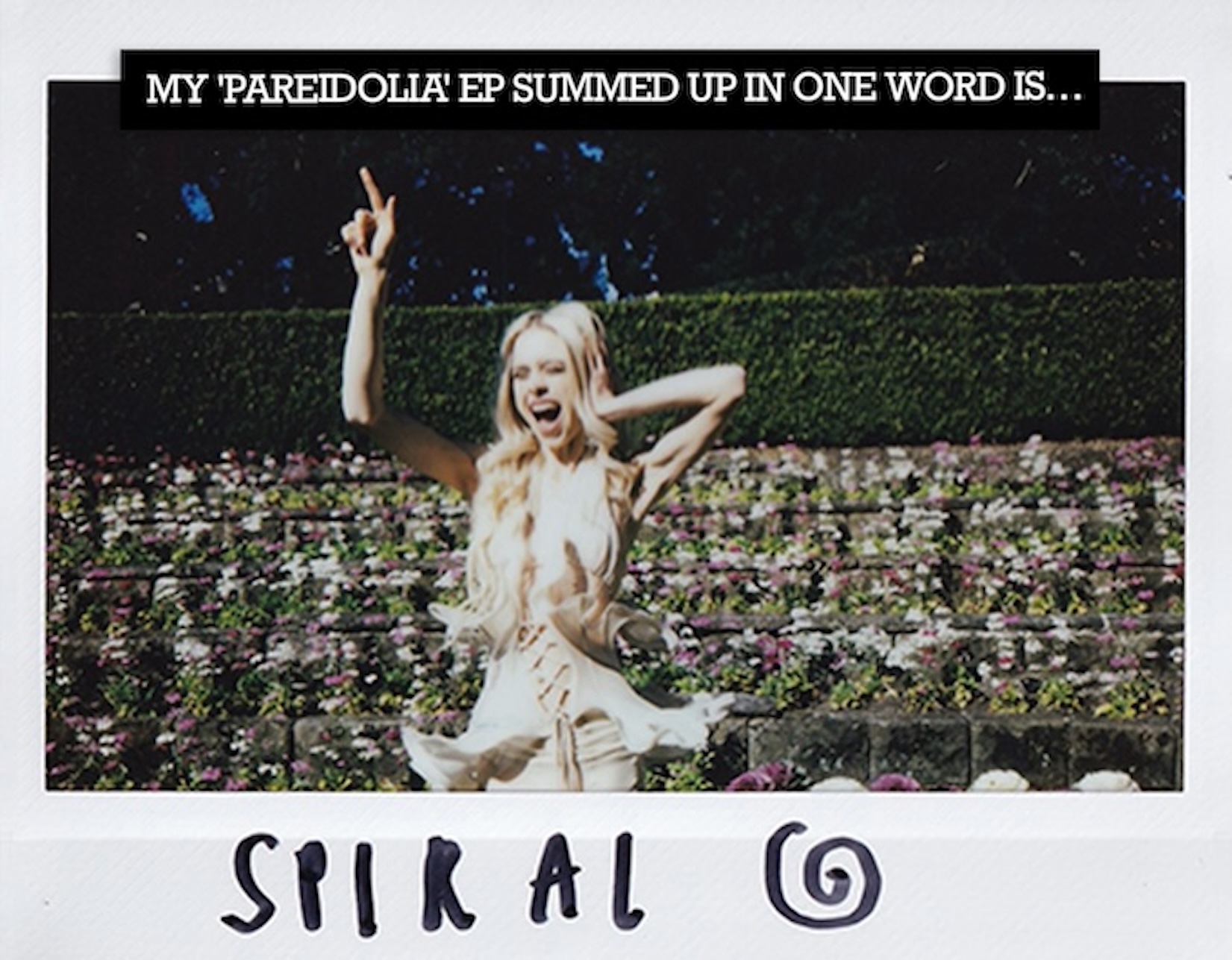
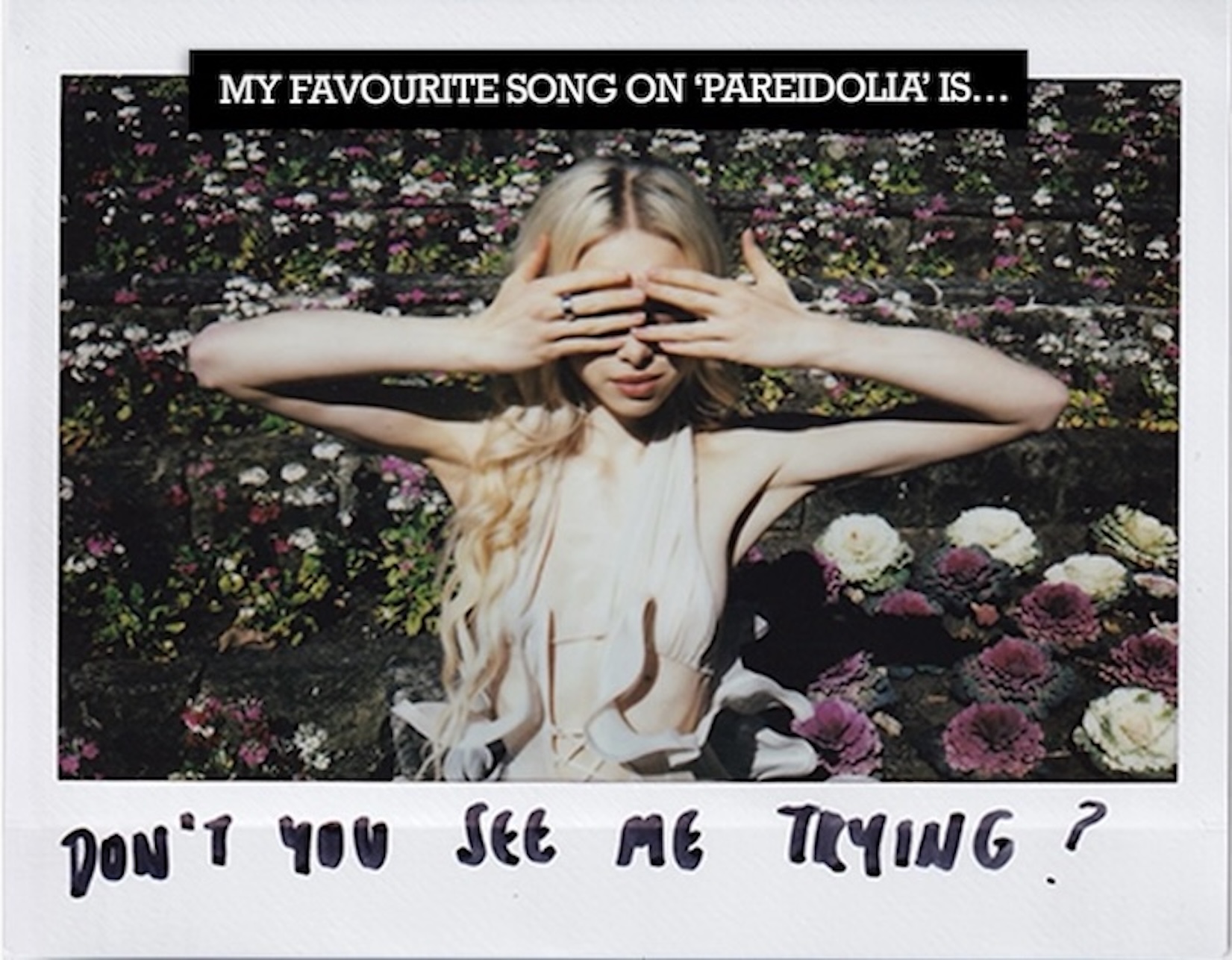
This interview has been edited and condensed for clarity.
Photos by: Shahlin Graves | Styling by: Ewan Bell
Hair and make-up by: Susan Lilian
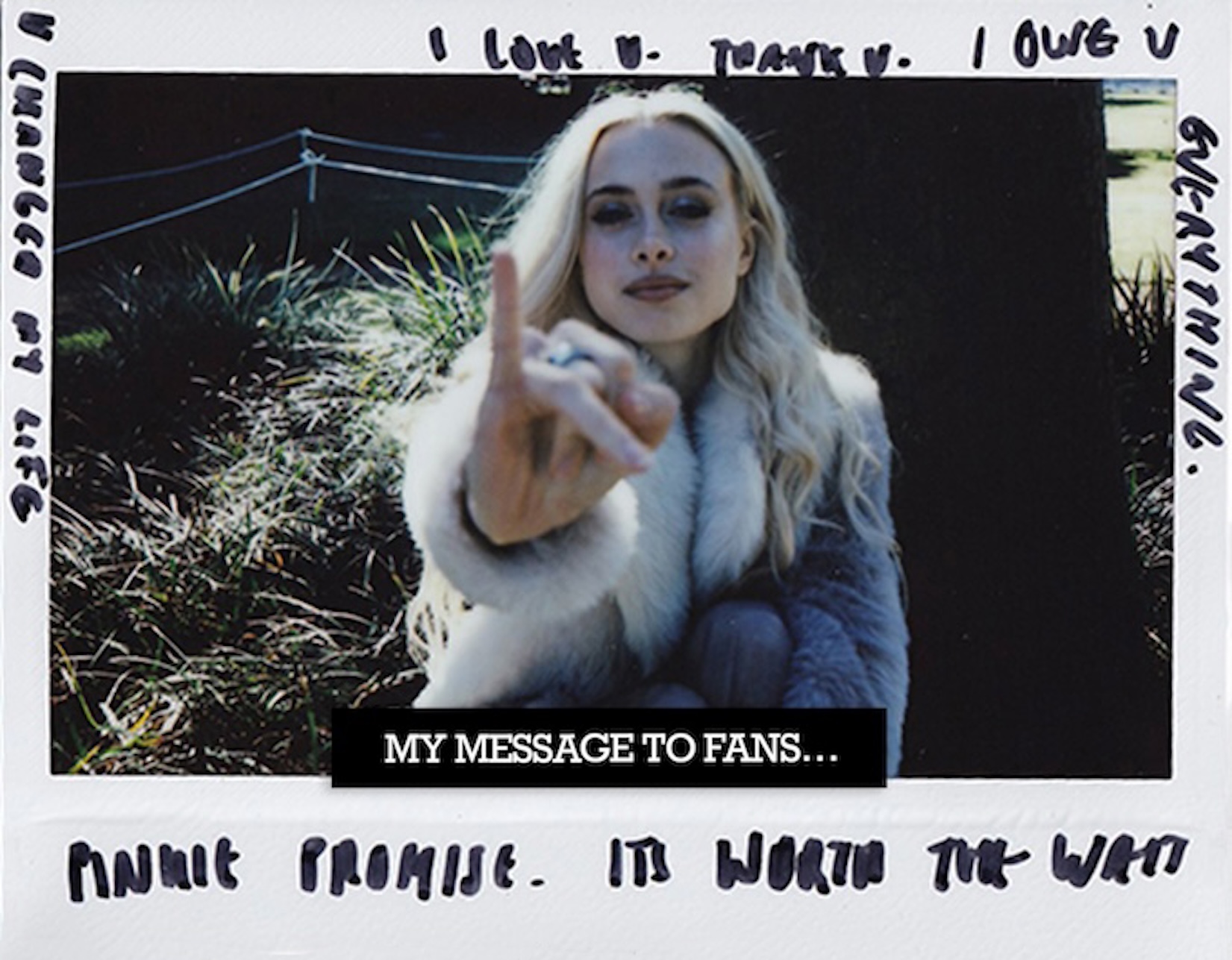
Design by: Madison Moore | Doodles by: Erin LeCount
Erin LeCount's 'Pareidolia' EP is out now.
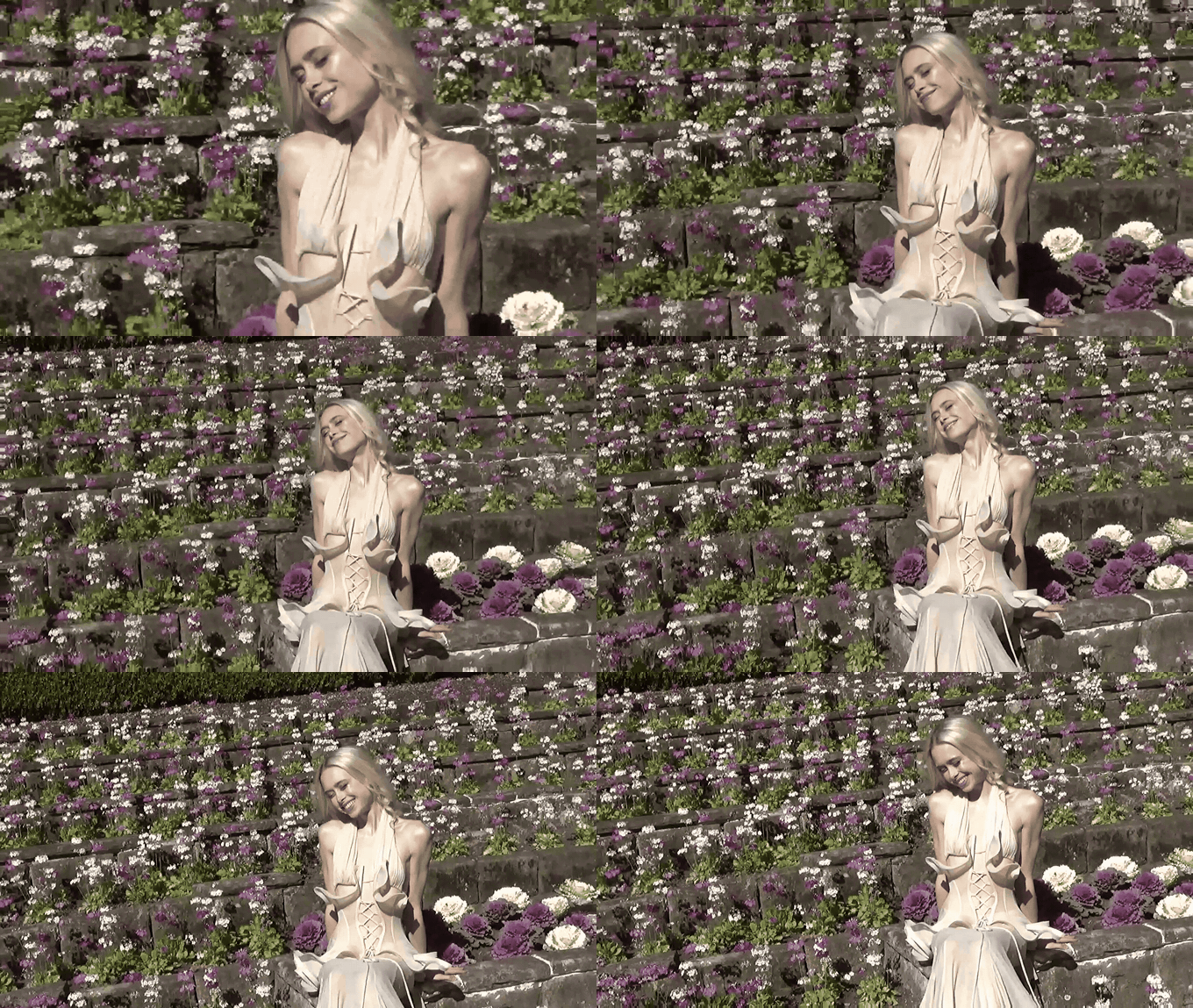
Watch Erin LeCount perform 'I Believe' live below...